
A Rutgers CAIT led academic consortium, including Oregon State University, University of Florida, and New Jersey Institute of Technology, is working with USDOT and industry partners to develop innovative use cases for steel slag that can support America’s growing manufacturing and construction industries.
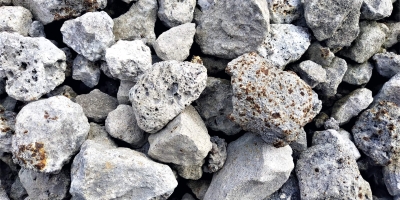
Rutgers Center for Advanced Infrastructure and Transportation (CAIT) is spearheading a national effort to transform steel slag — a byproduct of steelmaking — into a strategic asset to support America’s growing construction and manufacturing industries. This initiative brings together leading universities and major industry partners to identify practical, high-value applications for slag in concrete, pavements, soil stabilization, aggregates, and cement production. The goal is simple: turn an underutilized material into a driver of innovation, cost efficiency, and infrastructure performance.
This cooperative agreement between the USDOT Office of the Assistant Secretary for Research and Technology and the academic team unites Rutgers CAIT, NJIT, Oregon State University, and the University of Florida Together, the team is committed to advancing technologies and practices that not only improve infrastructure durability but also enhance the competitiveness of American business, ensuring that U.S. construction and manufacturing remain at the forefront of innovation.
Industry Snapshot: State of Steel Slag
Steel slag represents a significant domestic resource, with millions of tons produced annually, yet its use remains fragmented due to technical, policy, and market barriers. By combining cutting-edge research with real-world industry insight, this program will deliver actionable guidance, standards, and tools that help contractors, agencies, and manufacturers confidently incorporate slag into projects. The result is a stronger, more resilient supply chain that supports American jobs, reduces reliance on imports, and maximizes the value of U.S. steel production.
- Business Case: In 2024, the U.S. slag market sold 16 million tons of slag annually, representing a vast domestic resource that historically has been underutilized. Non-blast furnace slag is 97% of the total slag market by volume but only represents 20% of the market by value and is a significant untapped market (USGS Commodities Survey 2025).
- Strategic Opportunity: With billions in federal and state infrastructure investments underway, better leveraging steel slag can help meet material needs efficiently and cost-effectively while strengthening the domestic supply chain and decreasing reliance on foreign imports.
- Potential Performance & Economic Benefits: When properly processed, steel slag can improve concrete durability, reduce permeability, and enhance long-term strength, while lowering material costs.
- Industry Alignment: Steelmakers and processors are actively seeking higher-value applications for slag to improve durability and economic competitiveness, creating synergy with construction markets.


Meet the Team
The USDOT Steel Slag Initiative is supported through a cooperative agreement with the United States Department of Transportation (USDOT) Office of the Assistant Secretary for Research and Technology.

The Center for Advanced Infrastructure and Transportation (CAIT), within the School of Engineering at Rutgers University, develops practical tools and processes that can be implemented as mainstream tools in the hands of transportation professionals solving real-world problems today. CAIT research focuses on assessing and monitoring the health of bridges, roads, and pipelines; creating innovative technologies, materials, and tools; formulating strategies to prolong the service life of infrastructure; and training the current and future workforce.
- PI: Robert Miskewitz, PhD
- Co-PI: Tyler Oathes, PhD
Personnel:
- Ali Maher, PhD
- Vassiliki Demetracopoulou, PhD
- Hao Wang, PhD
The New Jersey Institute of Technology (NJIT) is a nationally recognized university committed to advancing engineering knowledge through innovative, interdisciplinary research and education. NJIT’s mission is to foster technological advancements and excellence in engineering design, materials science, and infrastructure systems. By leveraging state-of-the-art laboratories, collaborative partnerships, and a culture of innovation, NJIT prepares future leaders and drives breakthroughs that enhance resilience and performance across critical industries.
- Co-PI: Matthew Adams, PhD
Personnel:
- Matthew Bandelt, PhD
Oregon State University is one of only three land, sea, space, and sun grant universities in the nation. The research team from OSU has extensive experience translating research results into standard, guide and code documents that support the implementation of innovative materials for construction and manufacturing nationwide.
- Co-PI: Jason Ideker, PhD
Personnel:
- Jason Weiss, PhD
- Isgor Burkan, PhD
The University of Florida has been recognized by U.S. News & World Report as one of the Top 10 public research universities in the United States. Research at UF is focused on generating innovative breakthroughs that create opportunities for economic growth nationwide and support the development of young people through education.
- Co-PI: Christopher Ferraro, PhD
Personnel:
- Kyle Riding, PhD
- Taylor Rawlinson, PhD
